Zamfara State, located in northwestern Nigeria, possesses significant environmental and
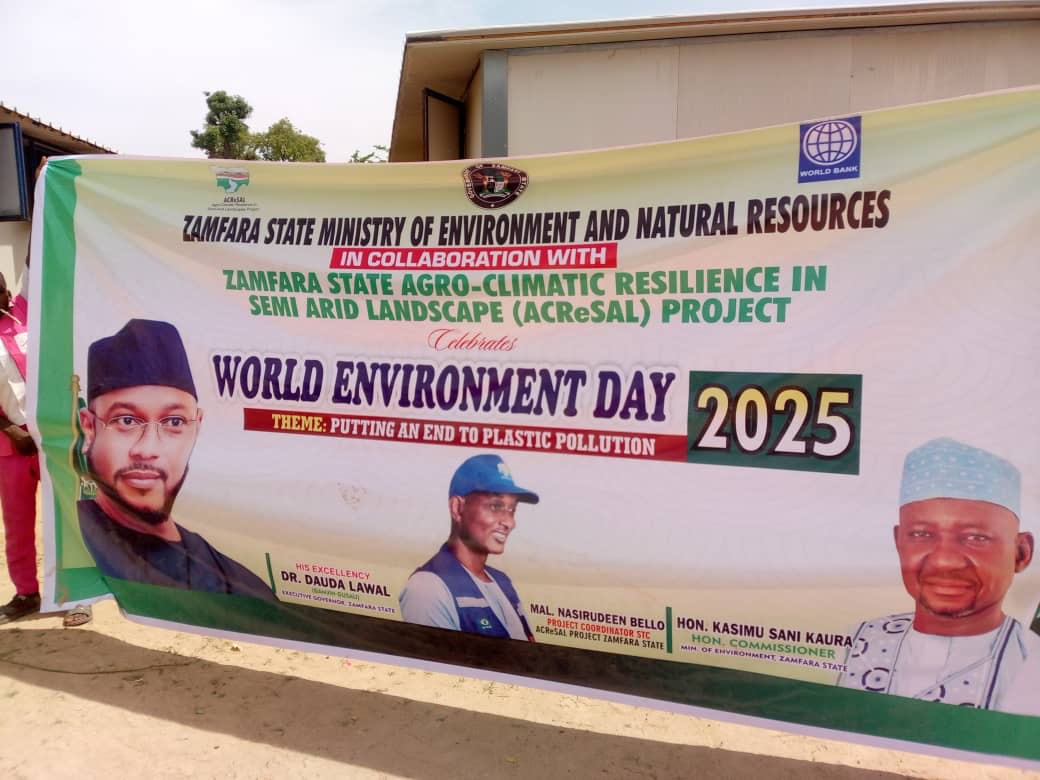
natural resources, including agricultural land, minerals, and a diverse ecosystem. The state’s Ministry of Environment and Natural Resources is responsible for managing these resources, promoting sustainable practices, and addressing environmental challenges.
Key Aspects of Zamfara’s Environment and Natural Resources:
- Agriculture:
Zamfara is known as a major agricultural producer in Nigeria, with the slogan “Farming is our Pride”. The state cultivates various crops and engages in livestock and fish farming. - Solid Minerals:
Zamfara is rich in mineral deposits, including gold, iron ore, chromate, granite, clay, limestone, chamovita, quartz, and kaolin. The state government is actively working to develop the solid minerals sector while ensuring environmental sustainability. - Ecosystems:
The state is located in the southern part of the Sahel region, characterized by a semi-arid climate and a short, increasingly unpredictable rainy season. This makes Zamfara vulnerable to climate change impacts, including droughts and desertification. - Environmental Challenges:
Zamfara faces challenges related to climate change, deforestation, land degradation, and pollution, particularly from mining activities. - Ministry’s Role:
The Ministry of Environment and Natural Resources is tasked with maintaining environmental quality, promoting sustainable resource use, preventing pollution, and unlocking the potential of the solid minerals sector. - Sustainable Development:
The state government is focused on attracting foreign investment, promoting responsible mining practices, and engaging youth in environmental protection initiatives.
Specific Initiatives: - Solid Minerals Development:
The Ministry is working to encourage the development of solid minerals, formulate policies, provide information on mining, and regulate operations. - Environmental Protection:
The Ministry is involved in various initiatives to protect the environment, including promoting clean and healthy environments, managing waste, and addressing pollution. - Climate Change Adaptation:
Zamfara recognizes the need to adapt to climate change and is working on strategies to mitigate its impacts and promote sustainable practices. - Youth Empowerment:
The Zamfara Youth Empowerment Programme aims to engage youth in activities that improve sanitation and promote environmental sustainability. - Core Mandate of the Ministry:
• Environmental Protection
• Conservation of Natural Resources
• Climate Change Mitigation and adaptation
• Waste management and Pollution Control
• Desertification and Deforestation Control
• Flood, Erosion and Coastal Management
• Sustainable Development through Public awareness - Primary Responsibilities/ Functions:
• Environmental Regulation and Enforcement
• Protection of Natural Habitats, Biodiversity and endangered species;
• Restoring and Maintaining ecosystem and preserving biodiversity
• Raising public awareness and promoting understanding of linkages between environment and development
• Developing and implementing strategies to reduce greenhouse gas emissions, promote renewable energy and enhance resilience to climate impacts;
• Proper Waste Management, controlling pollution and enforcing environmental standards and regulation;
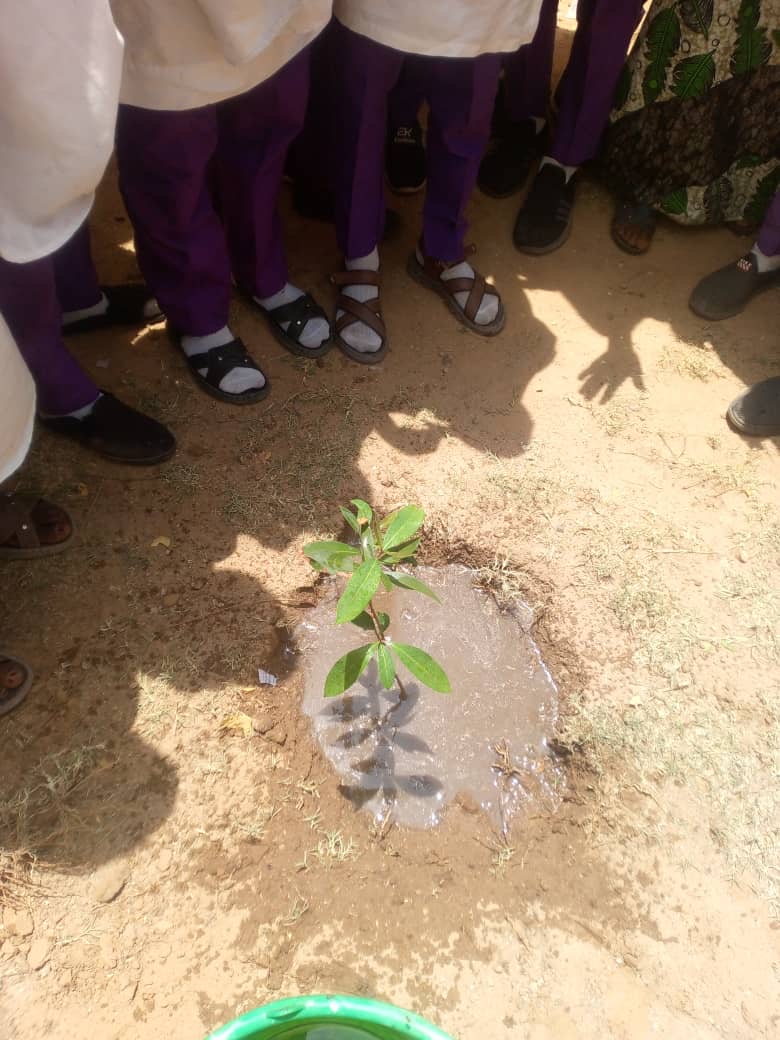
• Seedling Production and distribution and carrying out shelter belts programs
• Road side planting and amenity planting,
• Sand dunes fixation and soil conservation
• Forestry extension services
• Managing Floods and Erosions in the State;
• Monitoring Mining operations to ensure adherence to environmental regulation in the State
• Reclamation and rehabilitation of Mining Sites